
Hidden on Closter Mountain: Archaeology, Memory, and forming Descendant Relationships
About this Session
For most archeology, your work ends once you submit your report and share your discoveries with a conference. For descendants of communities that have been unearthed and historic interpreters who try to bring their stories to life, the work is just getting started!
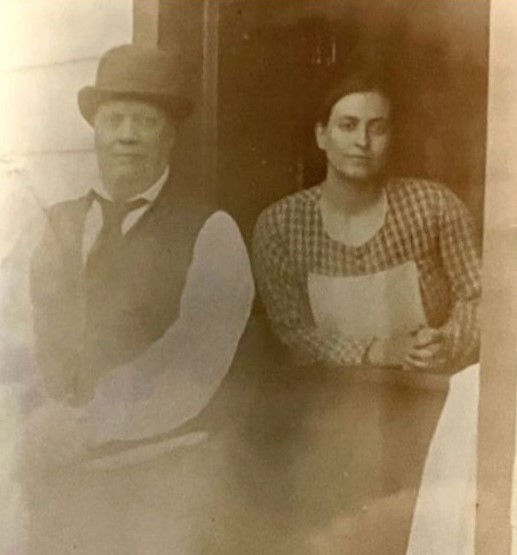
Closter Mountain is an area on the Palisades Cliffs straddling New York State and New Jersey State. For generations, it was home to freedmen and their descendants as they eked out a new life. Though there are not many historical sources to share about these 8 decades, through Joan Geismar's archeological survey, we were able to find out much more about the people of "Skunk Hollow." Our work to interpret this site continues today, though there was a negative reaction to the initial archaeological project. Many descendants share that there was no accessible way to learn about their ancestors, or that artifacts were not returned to descendants and instead ended up in Trenton storage areas. While Geismar did nothing wrong, in fact during her project she followed all procedures set up in the time period, we can still learn from this case study.
More recent interpretation from the Public History Department at the Palisades Interstate Park in New Jersey involves sharing everything we have learned from the archaeological survey and historical research with descendants and other members of the public interested in this subject. By working alongside the New Jersey Black Heritage Trail, we have been able to acknowledge how important this site was and still is to New Jersey's cultural memory.
Presented by